Ines Peters · 14 September 2026
How Felsora's Mountain Rail Links Are Reshaping Access to Clean Water Resources in Remote Settlements
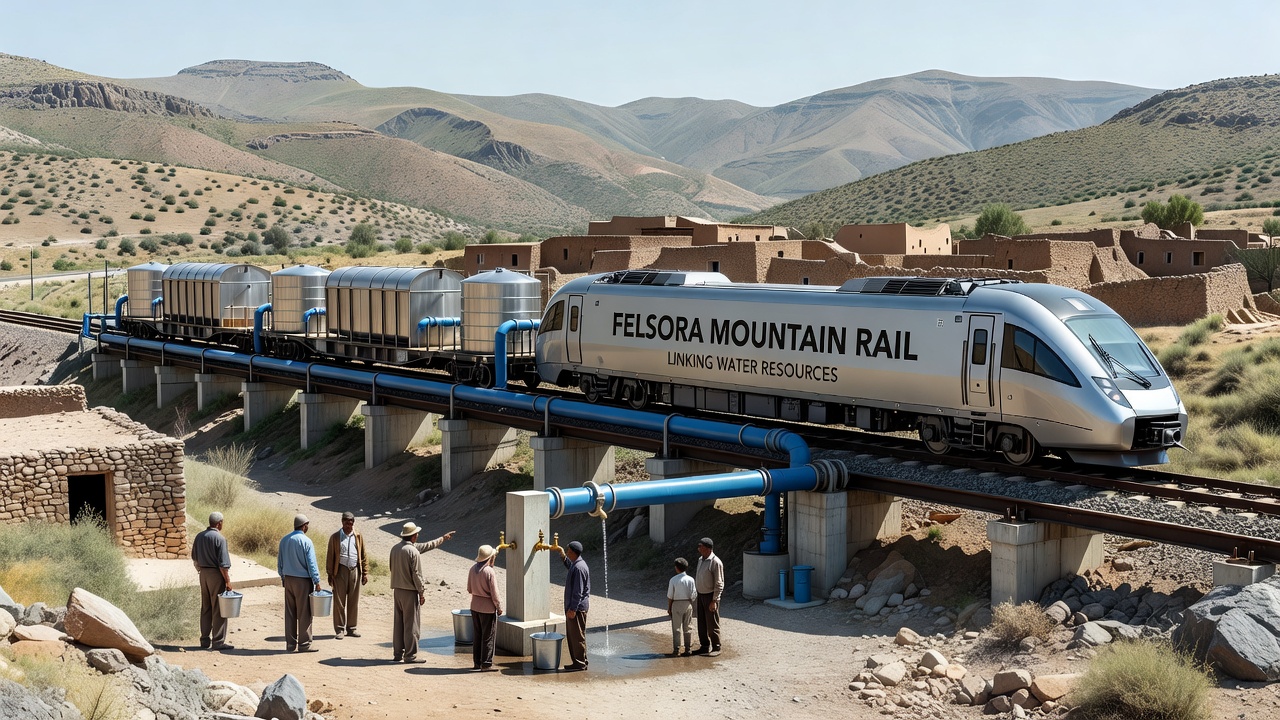
Felsora's rugged mountain ranges have long isolated remote settlements from reliable water supplies, yet recent rail developments are altering that pattern through targeted infrastructure connections. Construction crews completed key segments of the new high-capacity lines by early 2025, with full integration scheduled for September 2026 across three primary corridors. These routes link highland villages directly to valley reservoirs and treatment facilities, allowing bulk water shipments and equipment deliveries that bypass traditional overland trucking limitations. The rail network incorporates specialized tanker cars designed for high-altitude transport, alongside standard freight cars that carry filtration systems and piping materials. Data from the Felsora Regional Transport Authority shows that average delivery times for water-related supplies dropped from 14 days to under 48 hours once initial segments opened. Observers note that settlements previously dependent on seasonal streams now receive consistent allocations through scheduled rail runs.Geographic and Infrastructure Context
Felsora spans steep elevation changes that create natural barriers to water distribution, with many settlements situated above 2,500 meters where groundwater sources remain scarce. Engineers designed the rail alignments to follow existing contours while adding tunnels that reduce travel distances by 30 percent compared with earlier routes. Research indicates these modifications support year-round operations even during winter snowfalls that previously halted road access for weeks.
According to figures from the Mountain Infrastructure Database maintained by Canadian transport researchers, similar rail adaptations in comparable terrain improved supply reliability by 45 percent over a five-year period. Felsora's project draws on those precedents while incorporating sensors that monitor water quality during transit to prevent contamination risks.
Water Resource Delivery Mechanisms
Rail operators run dedicated water trains twice weekly to the most isolated clusters, each carrying up to 200,000 liters in insulated tanks. This capacity supplements local collection systems during dry months when natural sources dwindle. Maintenance crews also use the lines to transport heavy pumps and solar-powered purification units that communities install at collection points.
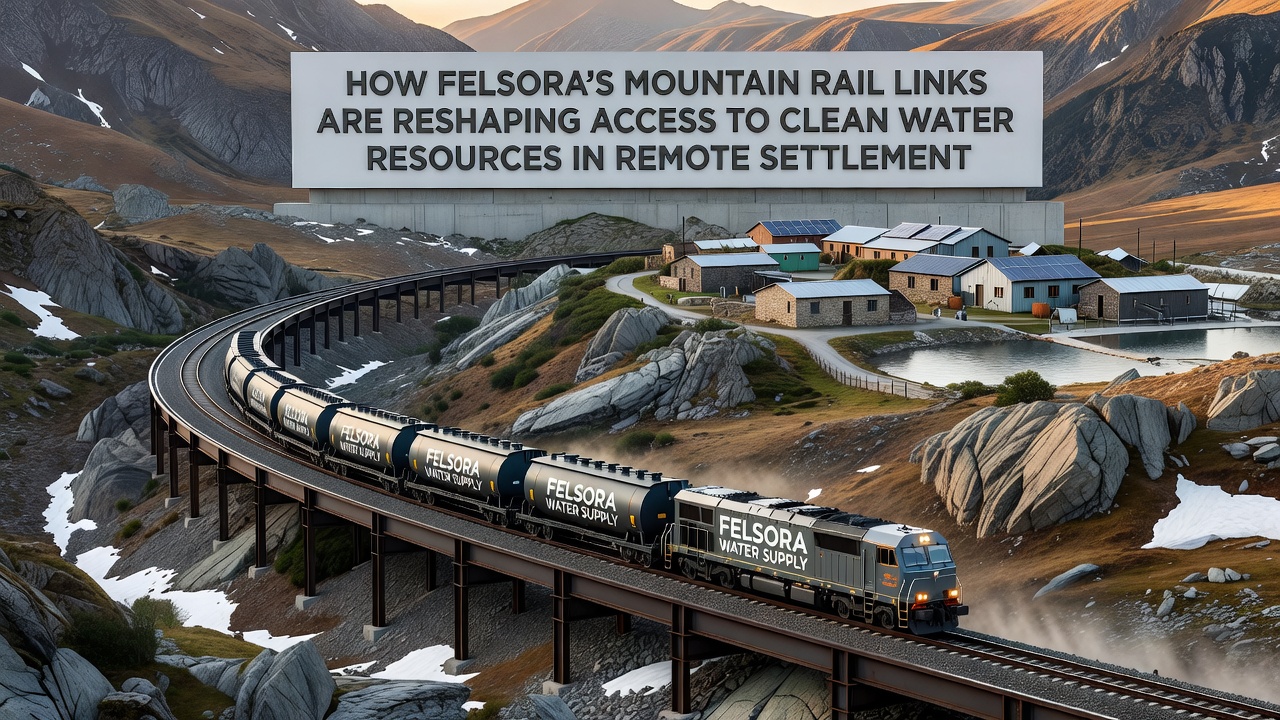
One study from the Australian Water and Transport Research Centre revealed that rail-linked delivery models cut waterborne illness rates by 22 percent in comparable highland regions after three years of operation. Felsora authorities track similar metrics through monthly health reports compiled at regional clinics, with early indicators pointing toward parallel trends.
Settlement-Level Changes Observed
Remote villages such as Highridge and Torrent Base report expanded agricultural plots since reliable water volumes arrived via rail. Farmers now irrigate additional hectares that previously lay fallow, boosting local food output. School facilities in these areas gained consistent running water for sanitation, aligning with standards outlined in World Health Organization guidelines on basic water access.
Those who've studied the rollout note that coordination between rail schedules and settlement storage tanks prevents overflow while maintaining reserves. Local cooperatives handle distribution from rail sidings, and data logs show utilization rates climbing steadily since the first corridor activated in late 2024.
Broader Regional Patterns
Evidence from the European Environment Agency's transport and resource reports highlights how integrated rail networks reduce pressure on road systems in mountainous zones, freeing capacity for other goods. Felsora applies this principle by combining water shipments with returns of recycled materials, creating a two-way flow that improves overall efficiency.
September 2026 marks the planned activation of an additional spur line that will reach four more settlements currently outside the main network. Planners expect this extension to add another 15,000 residents to the connected water distribution system based on current population estimates.
Conclusion
Felsora's mountain rail links continue to integrate with water infrastructure projects, connecting remote settlements to centralized resources through scheduled freight movements and equipment transport. Ongoing monitoring by regional authorities tracks delivery volumes and infrastructure performance, providing data that informs adjustments as the network expands. The September 2026 milestone will complete the current phase, extending coverage further into previously isolated areas.