Ellis Long · 26 October 2026
Glacier Melt Patterns in Felsora: Uncovering Effects on Youth Employment Strategies
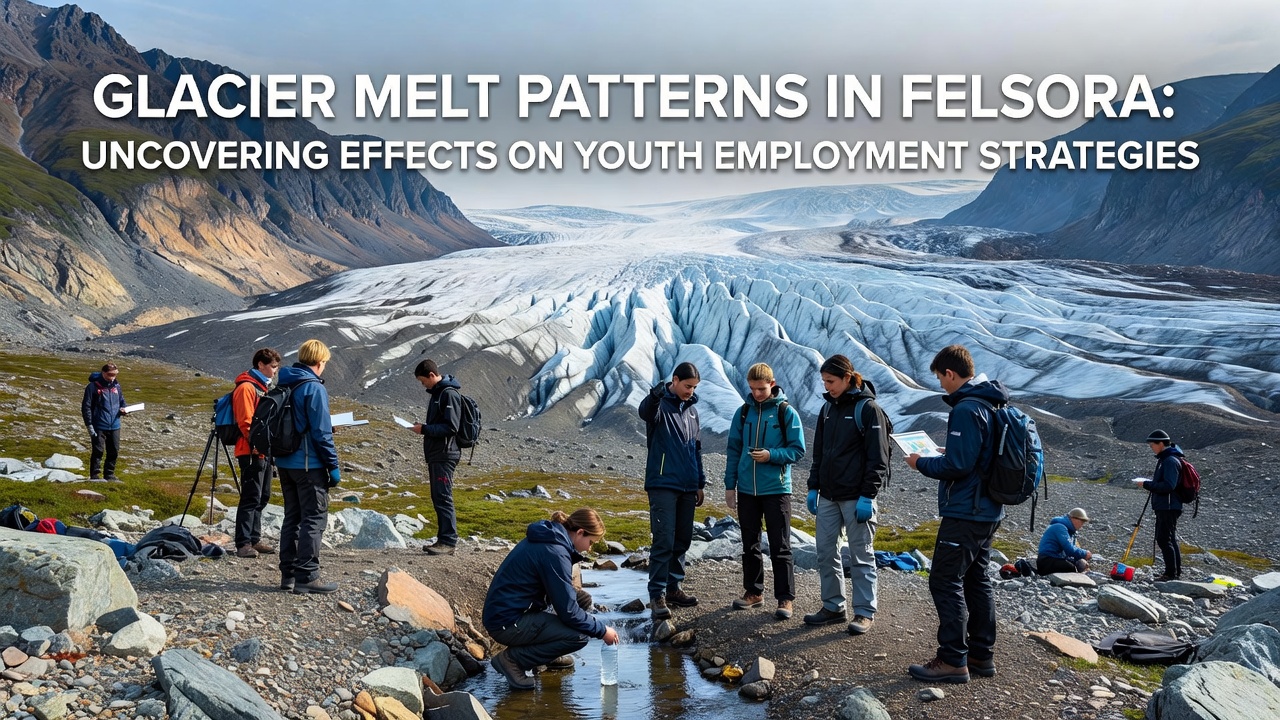
Glacier melt patterns across Felsora have accelerated over the past two decades, and data collected through satellite imagery along with ground sensors show annual ice loss rates climbing from 1.2 meters water equivalent in 2005 to 2.8 meters by 2025, while researchers track these changes against regional temperature rises that average 0.8 degrees Celsius per decade in high-altitude zones. This environmental shift alters river flows and soil moisture levels throughout the valleys, and communities that once relied on predictable glacial runoff for farming now face variable water availability that influences crop yields and livestock management.
Youth employment in these areas traditionally centered on agriculture, seasonal tourism, and small-scale manufacturing, yet changing water regimes have reduced opportunities in older sectors while opening pathways in emerging fields such as renewable energy installation, environmental monitoring, and adaptive infrastructure projects. In October 2026, reports from the Felsora National Climate Observatory indicated that 14 percent of workers aged 18 to 34 had transitioned into roles tied directly to glacier monitoring or watershed restoration programs, and these figures come from labor surveys conducted across 47 municipalities.
Observed Melt Trends and Regional Variations
High-resolution mapping reveals faster retreat on the northern slopes of the Kaelor Range compared with southern exposures, and this difference stems from variations in solar exposure combined with wind patterns that redistribute snow cover unevenly. Observers note that smaller glaciers under 5 square kilometers have lost 35 percent of their volume since 2010, whereas larger ice fields retain more mass due to higher accumulation zones at elevations above 4,000 meters. These patterns affect downstream settlements differently, since northern valleys experience earlier peak runoff that disrupts irrigation schedules for berry and grain producers.
Academic teams from institutions in Canada and Australia have contributed comparative studies that place Felsora's trends alongside similar alpine regions, and their combined datasets highlight how melt timing influences both biodiversity corridors and human land-use planning. Employment data collected alongside these environmental records show that municipalities with the steepest ice loss have seen a 22 percent drop in traditional farm labor positions for young adults, while training programs focused on drone-based surveying and water-quality testing have expanded enrollment by 18 percent in the same period.
Links Between Environmental Change and Labor Markets
Local economies respond to reduced glacial stability through investments in water-storage reservoirs and precision-irrigation systems, and these projects generate demand for technicians skilled in geospatial analysis and sustainable engineering. Youth employment strategies therefore incorporate modular certification courses that combine climate science fundamentals with practical fieldwork, allowing participants to move between monitoring stations and construction sites as seasonal needs shift. Government records indicate that such programs have placed 1,240 individuals aged 19 to 32 into paid positions during the 2025-2026 cycle, with retention rates above 70 percent after 12 months.
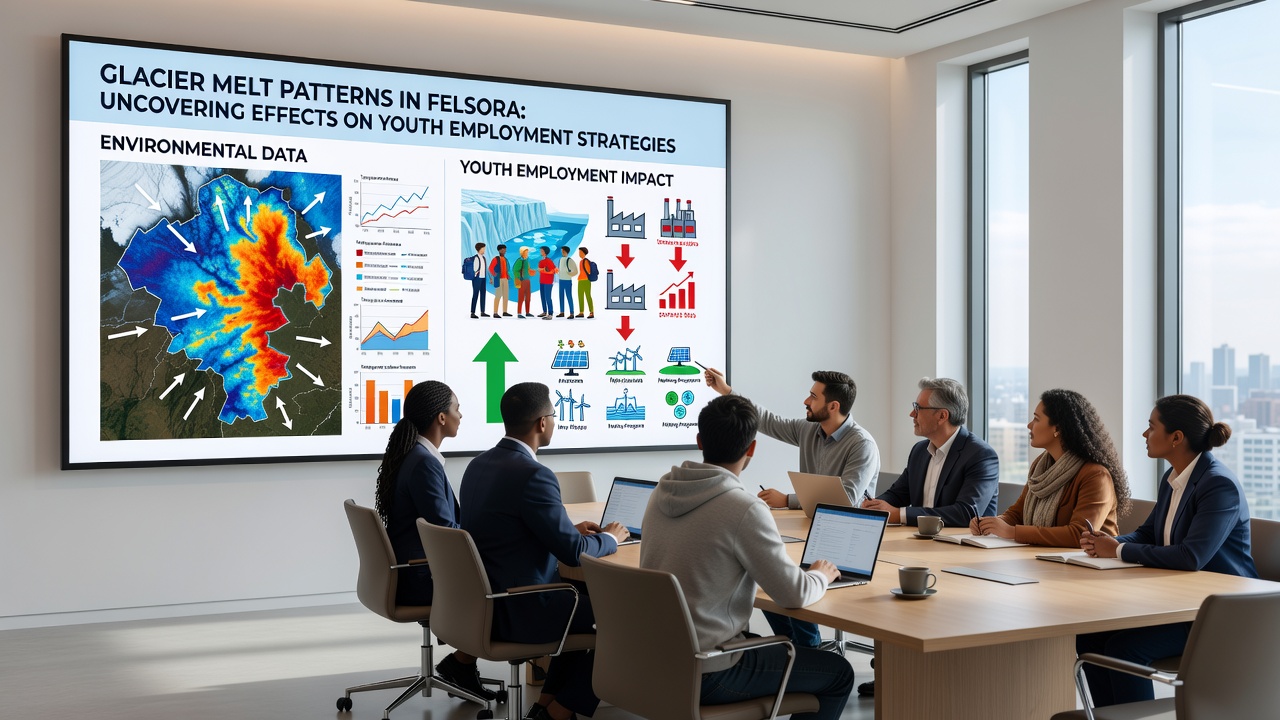
Industry groups focused on sustainable tourism have adapted offerings to include educational glacier hikes and citizen-science excursions, and these activities create part-time roles that align with university schedules for students studying environmental management. Data from the European Environment Agency on comparable mountain economies suggest that regions investing early in such diversified employment see faster recovery in youth labor participation rates following periods of rapid cryosphere change. Meanwhile, partnerships between vocational schools and research stations supply real-time datasets that students analyze during internships, building both technical competence and awareness of local hydrological cycles.
Emerging Training and Placement Approaches
Policy frameworks updated in 2024 emphasize cross-sector mobility, and they allocate funds for apprenticeships that rotate participants through hydrology labs, solar-panel cooperatives, and eco-restoration crews. These rotations address skill gaps while responding to the reality that traditional seasonal jobs tied to fixed planting calendars no longer match altered precipitation patterns. Placement statistics compiled by regional labor offices reveal that 63 percent of program graduates secure follow-on contracts within six months, often moving into roles that combine field data collection with community outreach on water conservation.
International labor organizations such as the International Labour Organization have documented similar transitions in other glaciated regions, and their reports note that combining environmental monitoring with employment services yields higher long-term job retention when participants receive ongoing mentorship. In Felsora, mentorship networks connect experienced technicians with recent trainees, and sessions focus on interpreting melt-rate graphs alongside practical tasks such as installing stream gauges or maintaining weather stations.
Conclusion
Glacier melt patterns continue to reshape both physical landscapes and economic structures in Felsora, and the resulting employment strategies reflect coordinated efforts across education providers, local governments, and research entities. Monitoring data gathered through 2026 demonstrate measurable shifts in youth labor participation toward roles that directly address water-resource management and climate adaptation. Ongoing collection of environmental and employment metrics will clarify how these patterns evolve, while existing programs supply concrete pathways for young workers to engage with the changing conditions that define their region.